
PTFE envelope gaskets

The materials commonly used in the field of industrial sealing (for example, rubber or non-asbestos with aramid fibre and elastomeric filler) usually do not fit all of the necessary standards of strength, width, and chemical and mechanical resistance that certain applications could require.
FF.GI srl is a pioneer in the envelope gasket industry and we have reached the highest quality standards, using innovative materials, advanced technologies and a qualified work force. Every type of gasket is studied and designed to fulfil the most stringent requirements of a constantly evolving market.
FF.GI srl is a pioneer in the envelope gasket industry and we have reached the highest quality standards, using innovative materials, advanced technologies and a qualified work force. Every type of gasket is studied and designed to fulfil the most stringent requirements of a constantly evolving market.

THE PTFE EXTERNAL ENVELOPE
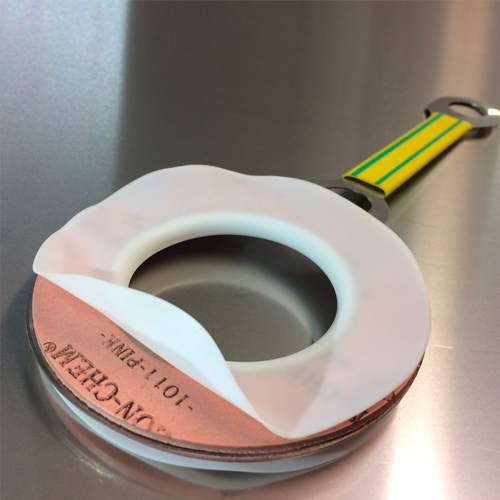
Commonly called an “envelope”, it has the purpose of protecting the internal part of the gasket from the substances which they are in contact with. These envelopes are mostly made of:- Virgin PTFE FLON-CHEM 1000;
- Modified PTFE FLON-CHEM 1075;
- Antistatic/Conductive PTFE FLON-CHEM 1022;
- Modified/Antistatic/Conductive PTFE FLON-CHEM 1023;
All of the listed materials comply with US laws FDA, Food and Drug Administration, department of Health and Human Services, Code of Federal Regulations 21 CFR Ch.1; USA regulations sections 177.1550 (a) (1) and (b) Perfluorocarbon Resins;
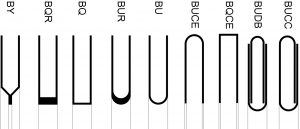
There are different types of envelopes based on their application and the customers’ requirements. In the case of larger diameters and smaller quantities the cost could be too high so the envelopes can be welded at one point to reduce costs.
The welding process is done “end to end” (a butt weld) without overlapping the two PTFE parts; the perfect execution of the welding is ensured by using the correct parameters of temperature, pressure and time on the part to be welded. Destructive and non-destructive tests are frequently carried out to ratify the welding process.
THE INSERT
These are the most common materials used for the envelope gaskets’ internal part in order to provide mechanical support: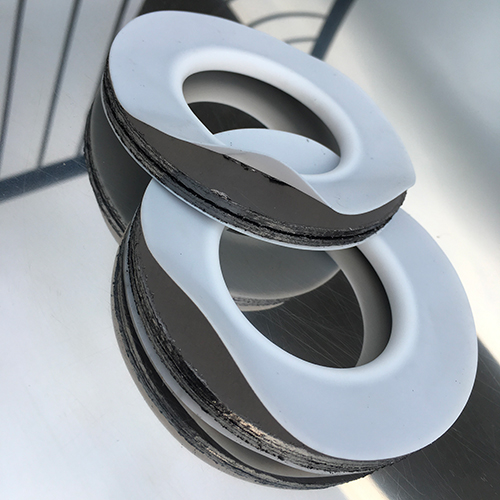
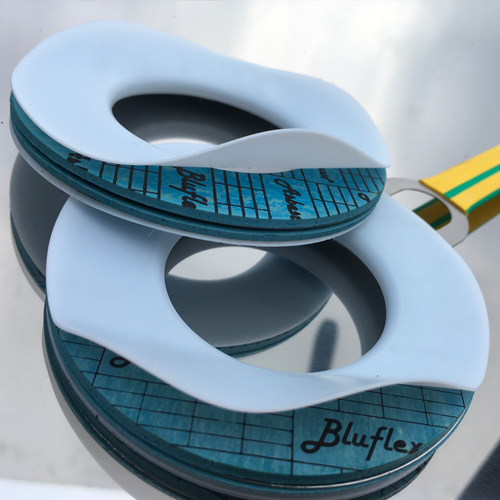
GRA-FLEX 5400: Expanded graphite resistant to very high temperatures and large thermal shocks; the kind with internal reinforcement in AISI 316 is strongly resistant to mechanical stresses.
GRA-FLEX 5200: Expanded graphite reinforced with A1200 aluminium double foil that gives high mechanical resistance to the graphite, but at the same time makes it flexible and perfect to be the internal part of a PTFE envelope gasket.
GRA-FLEX 5200: Expanded graphite reinforced with A1200 aluminium double foil that gives high mechanical resistance to the graphite, but at the same time makes it flexible and perfect to be the internal part of a PTFE envelope gasket.
CORRUGATED WAVE RING
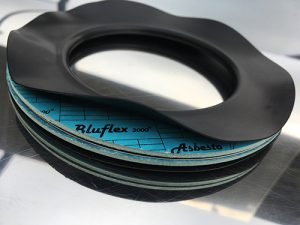
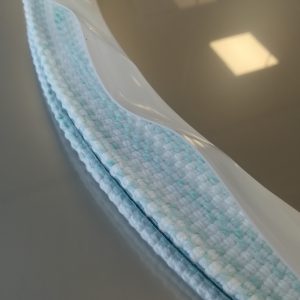
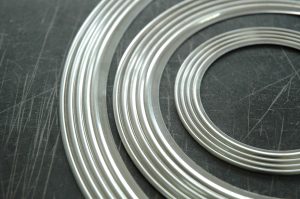
The corrugated wave ring gives the envelope gasket the necessary elasticity for a perfect seal, and at the same time an effective adaptability to any irregularities in the flange. It is usually furnished in stainless steel AISI 316 (1.4401) or AISI 316 Ti (1.4571).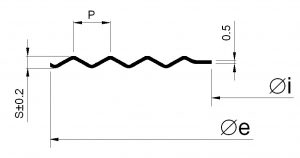
FIXING CLIP OR EARTHCLIP
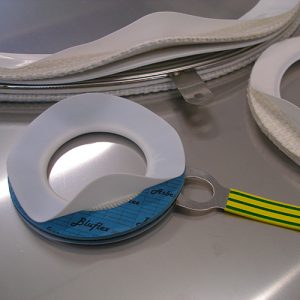
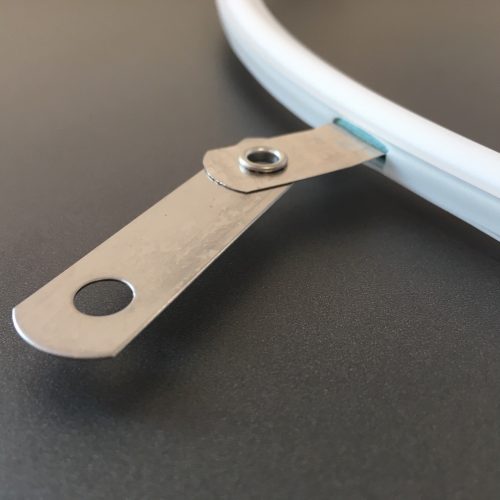
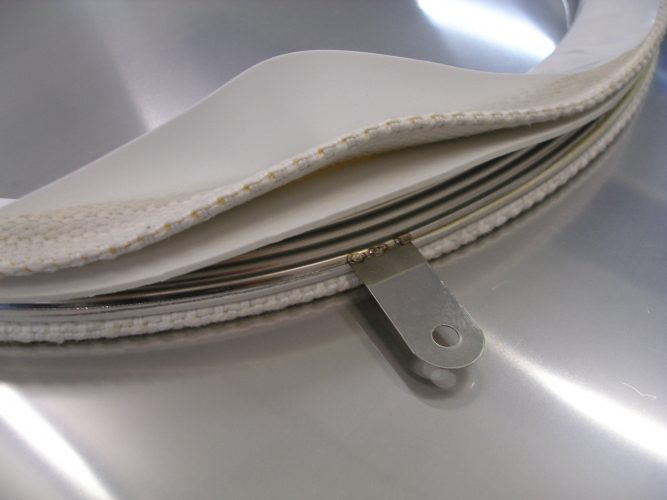
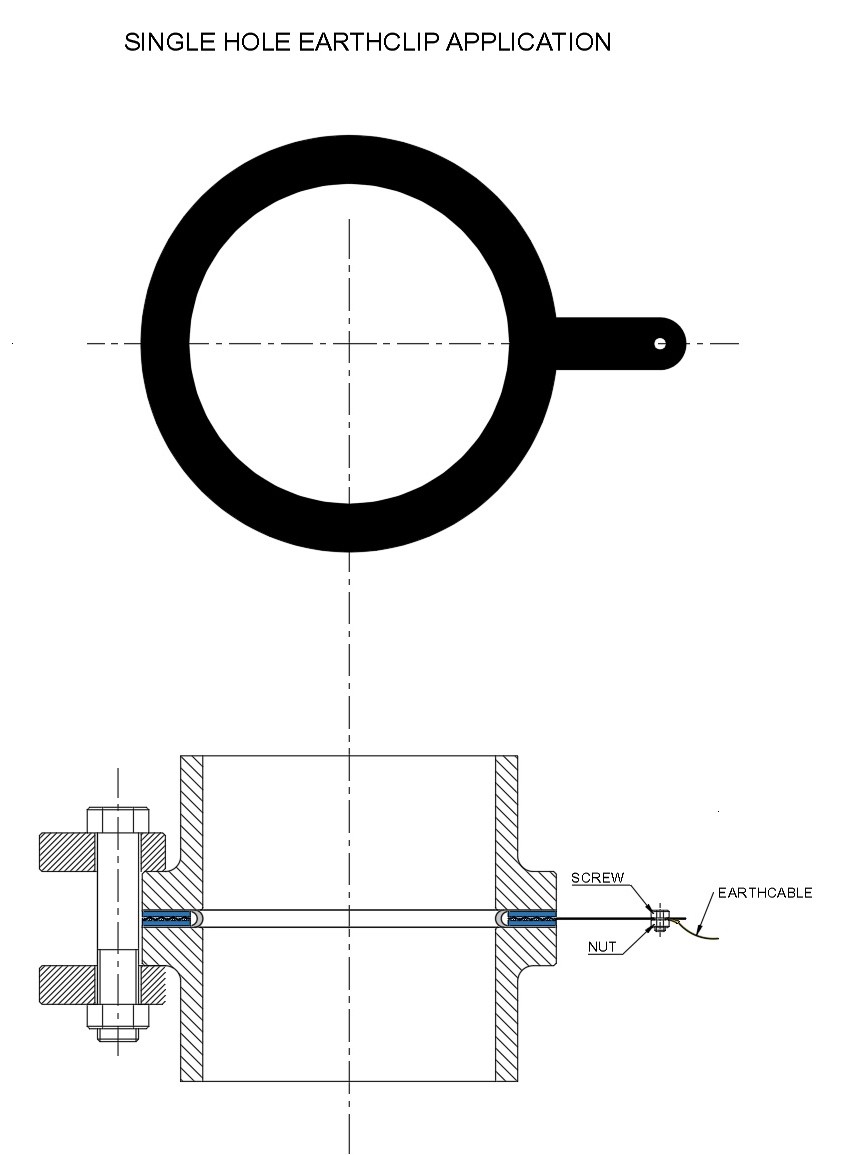
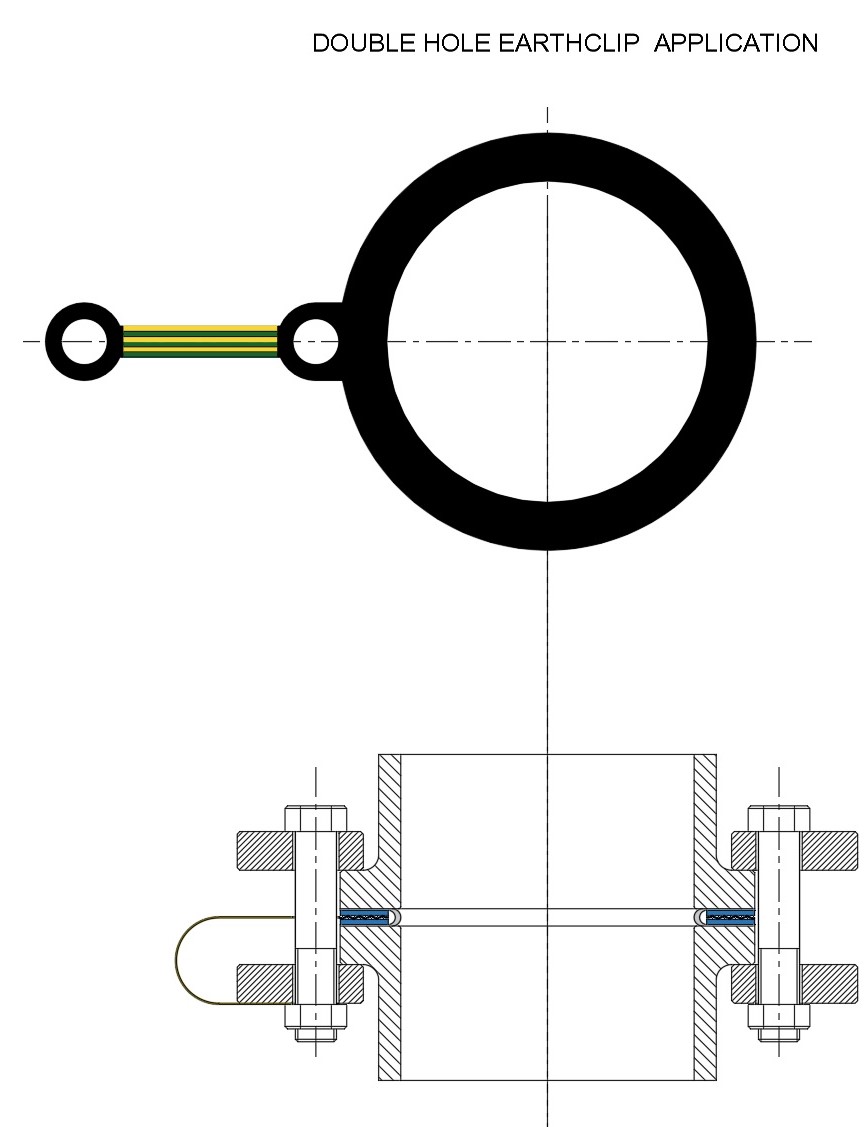
Gaskets with an undulating ring can be equipped with fixing clips or a special earthing clip able to unload any electrostatic charge that could be generated by the machine, which is of vital importance in some industrial processes.
SINGLE-HOLE CLIP
The single-hole clip is the most common and it’s used to link the gasket to the grounding with cables, screws and fixing bolts. Particularly for the oval gaskets or big round gaskets, these clips could be used to fix the gasket to the flange where it is installed.DOUBLE-HOLE CLIP
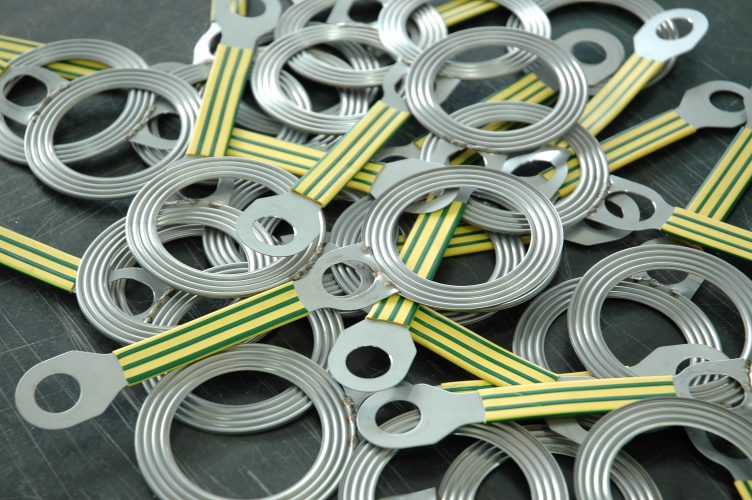
The double-hole clip is the evolution of the single-hole clip for envelope gaskets that have to be installed between flanges. In fact, with a double hole clip you can completely eliminate all other solutions for fixing the gasket to the machine (cables, screws, bolts) making the gasket cheaper and easier to remove. In addition, the yellow and green colouring allows the gasket to be seen easily inside the machine; these gaskets are available up to DN200 in one piece without welding.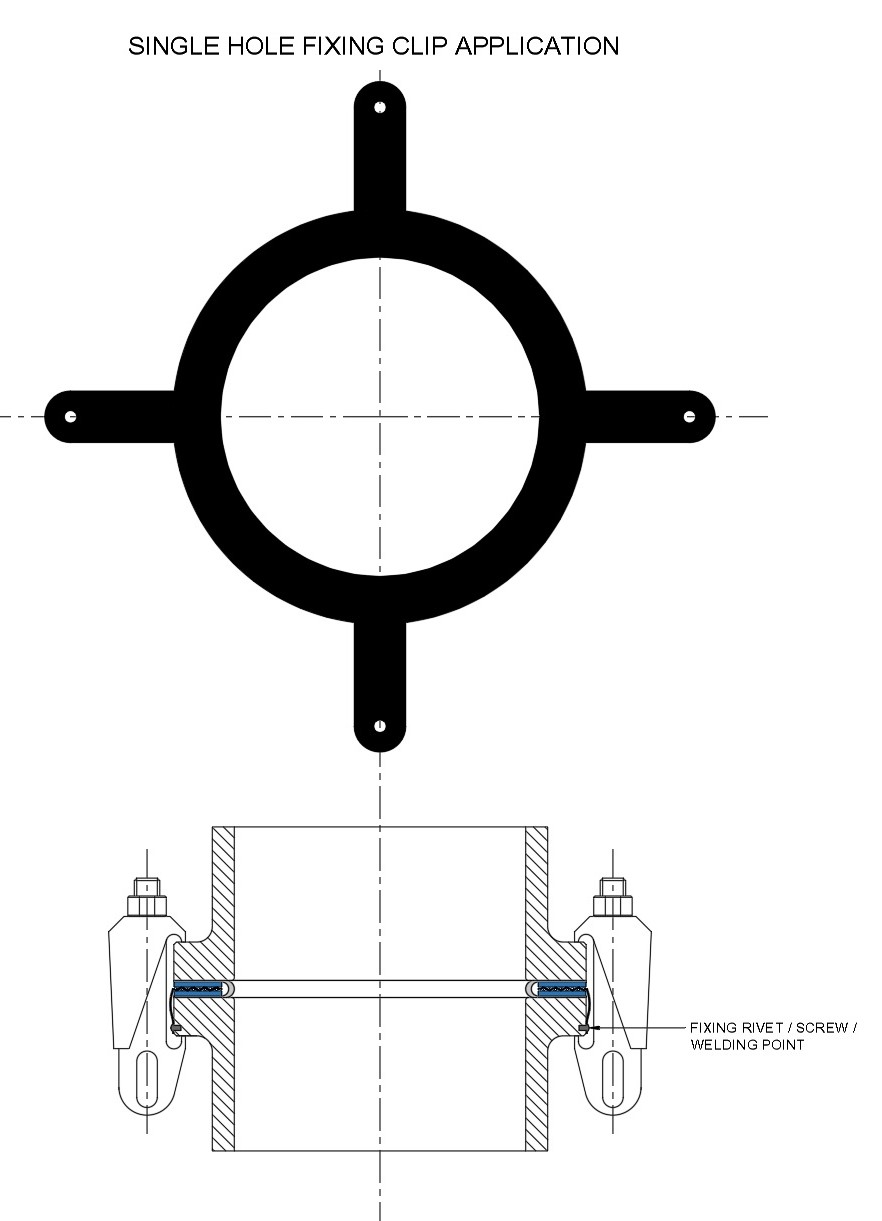
REGULATIONS AND APPROVALS
All of our envelope gaskets are available according to the most common standards of dimensions:- DIN 28148 (both oval and circular);
- BN 83 (Basler Norm);
- DIN 2690 / EN 1514-1 / EN 1514-3 / UNI 2229;
- ANSI B 16.21 for flanges ANSI B 16.5;
- TA-LUFT VDI 2440 type BUR;
- FDA, Food and Drug Administration, 21 CFR Ch.1, 177.1550 (a) (1) and (b) Perfluorocarbon Resins;
In addition, we can produce envelope gaskets tailored to our customers’ requirements up to 5000mm in diameter.